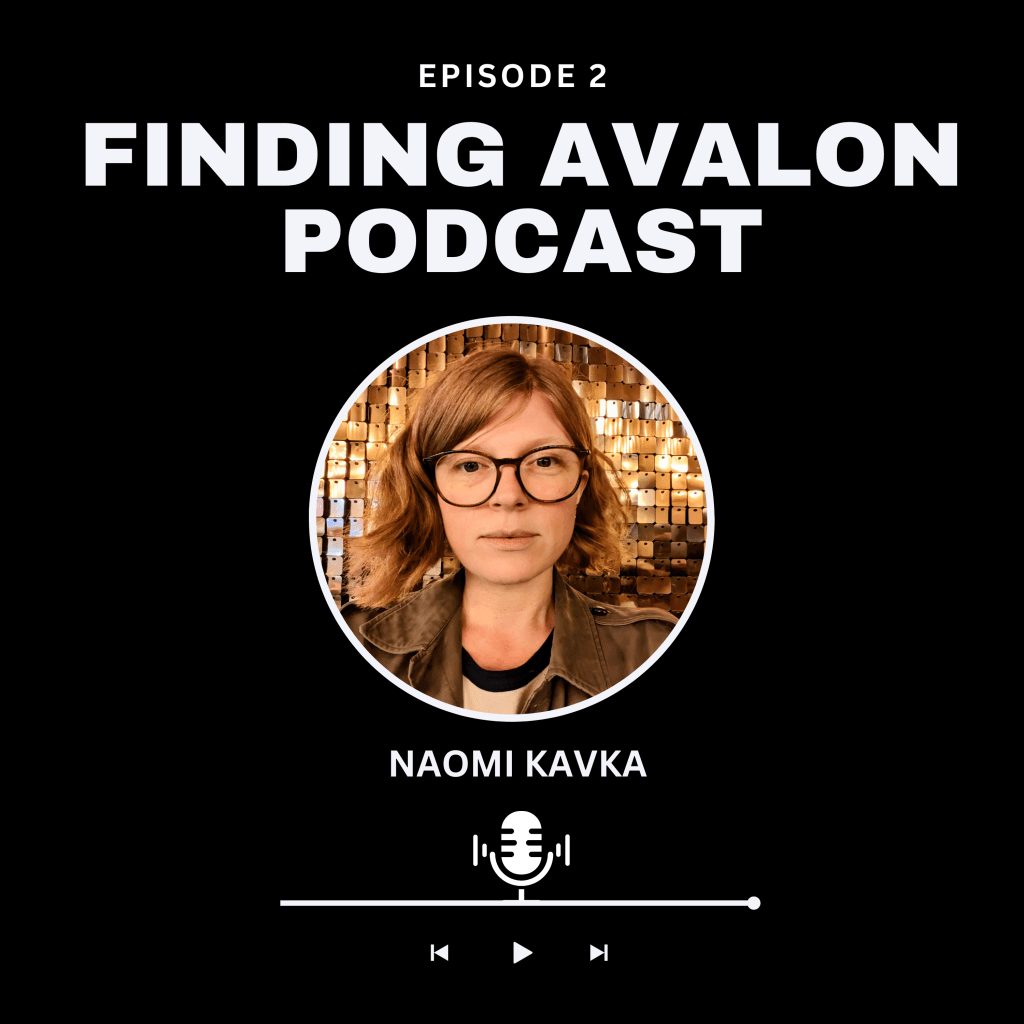
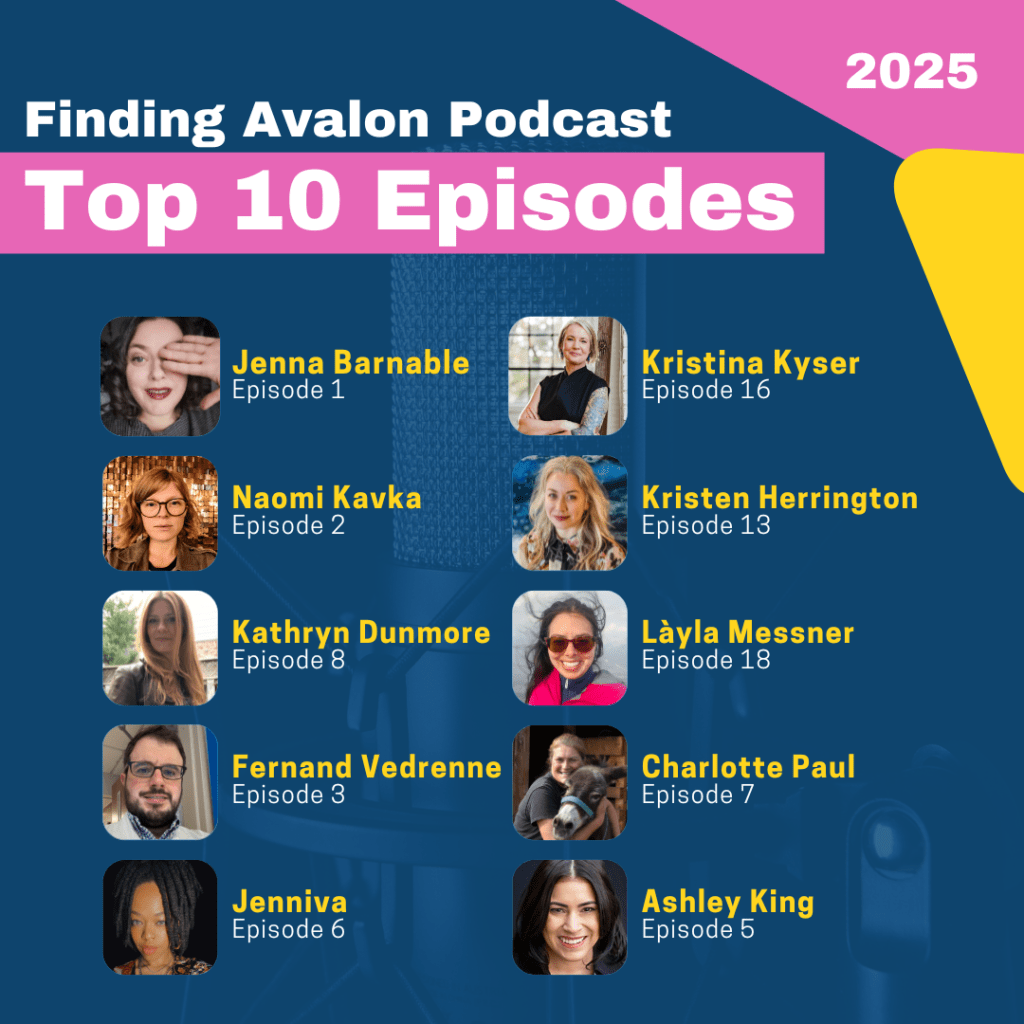
Finding Avalon’s first guest is Canadian musician and activist Naomi Kavka, from Smithers, British Columbia. She speaks candidly and vulnerably about her journey through disability, generational trauma, mental health and addictions, and how music fuelled her self-advocacy while navigating countless systemic barriers to healthcare and community support.
“Music at its core, to me, is about communication. Through that, music feels like the safest form of communciation for me where I feel like I can talk about anything and express really freely, complex and deep emotions.
Naomi Kavka
And that allows me to talk about some of the hardest experiences in my life – and to be able to sing through that. What I really hope for when you hear my song is for you to feel a little bit of that same feeling that I was and for that to be relatable. For you to hear that and say ‘Oh, I understand that feeling. I’m less alone having felt that.’”
About this Episode
About this Episode:
Episode Title: The Revelation of Self-Compassion: A Journey Through Song with Naomi Kavka
Epsiode Summary: In this episode of Finding Avalon, host Jenna Barnable engages in a deep conversation with Canadian musician and activist Naomi Kavka. They explore themes of authentic disabled representation, intersectional identity, and the complexities of living with disability.
Naomi shares her personal experiences with chronic pain, neurodivergence, and the healing power of music. The discussion also delves into the importance of self-compassion, the misconceptions surrounding disability, and the systemic barriers faced by disabled individuals.
Through their candid dialogue, they aim to normalize conversations about mental health and disability, advocating for a more inclusive society.
Naomi is also the force behind Finding Avalon’s intriguing podcast soundrack – I’m so grateul and excited to have her music set the tone for this storytelling project.
Special artist thanks for permissions to use the unreleased song “Coal Miner” written by Tony Castelic, arranged by Naomi Kavka, and performed by Naomi Kavka, Brynn Porter and Tony Castelic.
Accessibility: All episodes have been uploaded with transcripts, but if you have difficulty with accessibility, Jennifer can send you a copy of the transcript by email if you contact her.
Takeaways from this Episode
- Authentic representation of disabled experiences is crucial.
- Intersectional identities shape our understanding of disability.
- Music serves as a powerful form of communication and healing.
- Chronic pain and neurodivergence complicate creative processes.
- Self-compassion is essential for personal growth and acceptance.
- Intergenerational trauma impacts our current relationships and self-perception.
- The disability support system is often inaccessible and demeaning.
- Misconceptions about disability lead to systemic barriers.
- Finding comfort in music can foster connection and understanding.
- Advocacy for disability inclusion requires empathy and understanding.
Listen to Episode 2 here
Episode 2: Naomi Kavka. Thank you for supporting a disabled creator. Help this story reach more people with a follow, share, comment and like!


 Finding Avalon: Storytelling, Advocacy & Life
Leave a comment