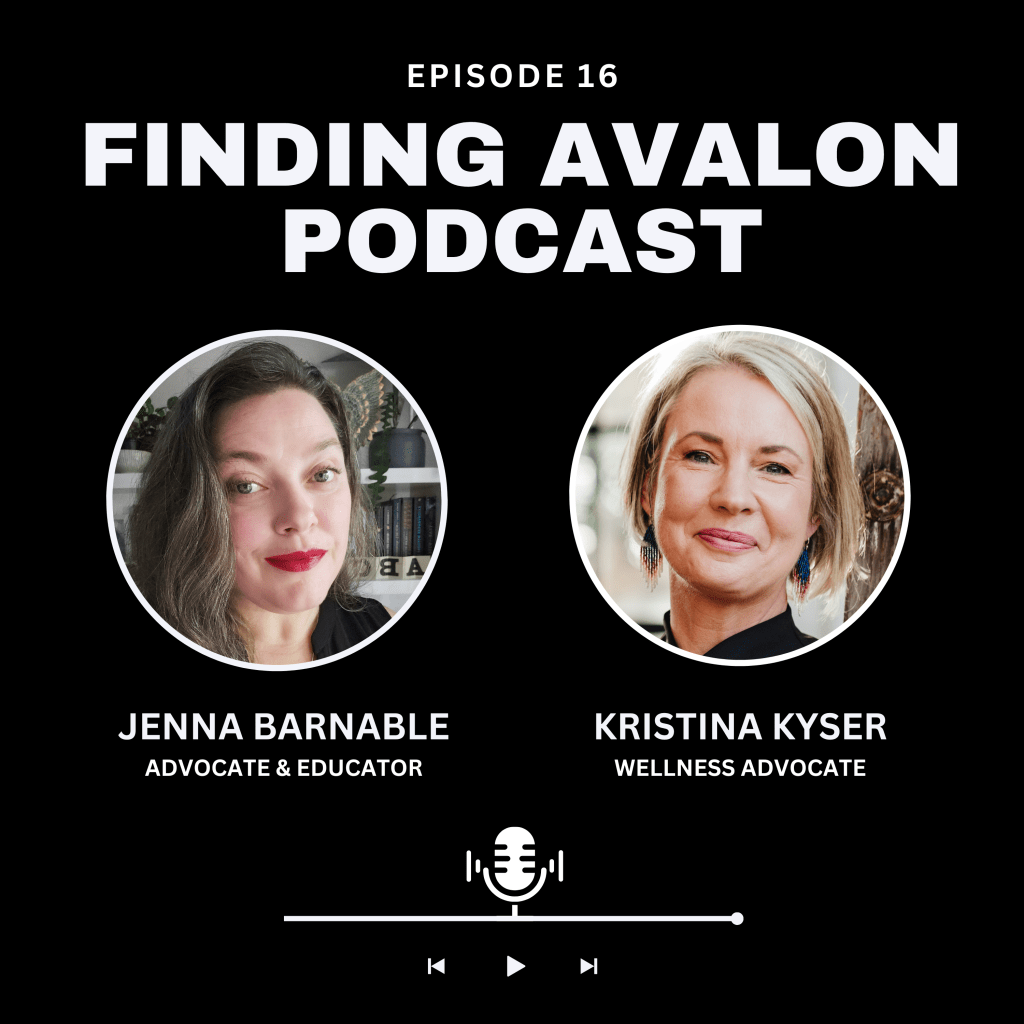
The penultimate interview for the Finding Avalon Podcast and storytelling project is a deep, authentic and intelligent exploration by two AuDHDers and trauma survivors driven to advocate for the Disability community., especially neurodivergent women and gender diverse people.
We talk vulnerably about the extraordinary resilience of Disabled survivors of intergenerational an intimate partner abuse, which are very often connected by a pipeline of systemic dysfunction.
This is a topic we need to talk openly about, without shame or judgment, to ensure future generations of Disabled and neurodivergent girls, teens, women and gender diverse folx don’t face these cycles of abuse and society’s failure of supporting survivors. We need to focus on preventing and protecting!
“I want to name a few specific patterns that women, especially neurodivergent women, should be taught to recognize. These are things that I wish someone had pointed out for me – things like narcissism and fragility…where any expression of your perspective or your emotions is met with defensiveness or collapse and you are made to feel that you are in the wrong.
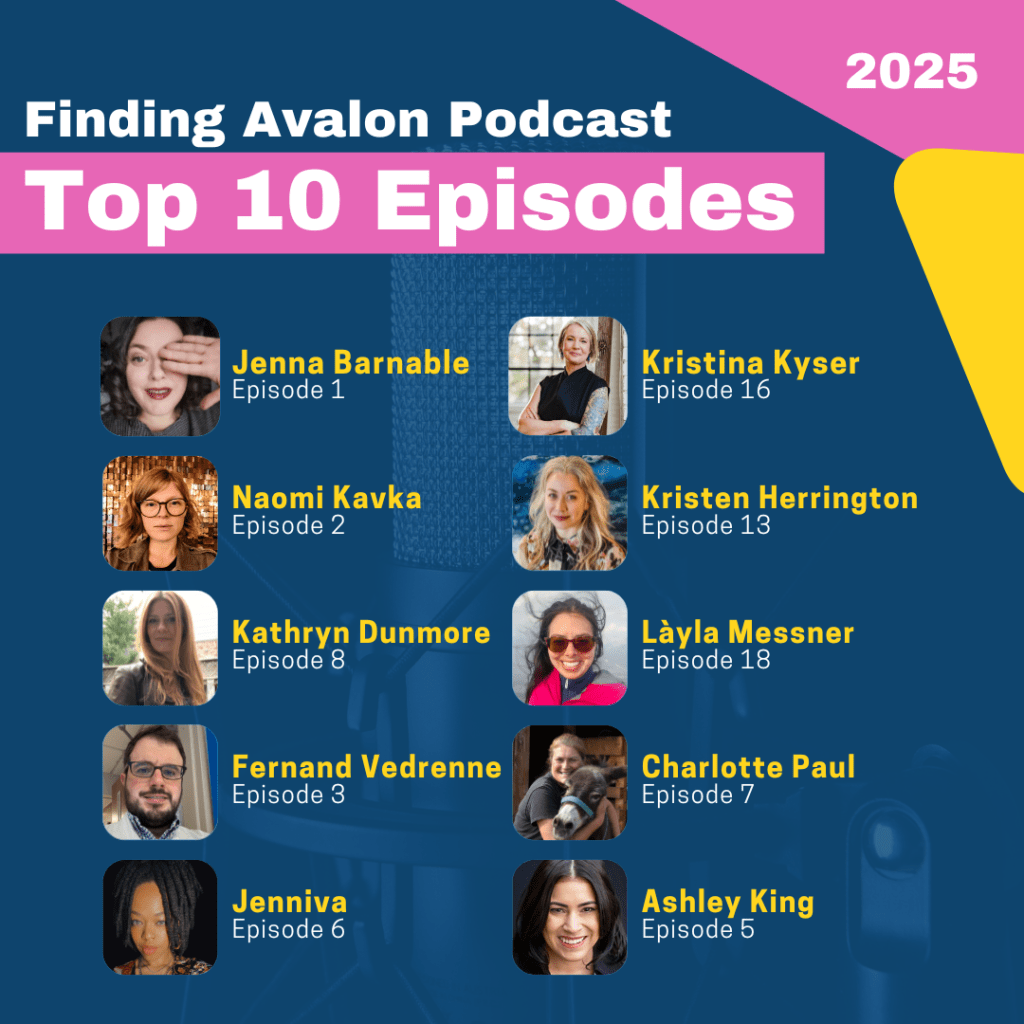
Kristina Kyser
Or DARVO, which is when you try to address something and you are met with Denial, Attack, and then the Reversal of Victim and Offender. All of a sudden, you’re in this argument that they are the victim.
Alongside naming these red flags, though, I also want to point out two really crucial truths. I think one of them is that the general public really does not recognize how widespread the programming is for women to believe that we are the problem – or how they, the public, participate in that programming.
And secondly, as a victim, even when you see the situation clearly, it is often neither safe nor possible to leave right away. I want to really highlight that we live in a culture that blames victims.
The number one question people reflexively asks when they hear about domestic violence is always “Why didn’t she leave?” which is very much like asking what a rape victim was wearing.”
About this Episode
Episode Title: Risk, Trauma and Abuse: Disabled Women’s Reality with Kristina Kyser (S1E16)
Episode Summary: In this episode of the Finding Avalon podcast, host Jennifer (Jenna) Barnable speaks with Kristina Kyser, a former psychotherapist and now a psychospiritual teacher, about her journey through trauma, motherhood, and the systemic issues surrounding disability and abuse.
Kristina shares her personal experiences with intergenerational and childhood trauma, domestic violence, and the risk and inequity disabled women face. Together, they discuss the importance of recognizing warning signs of abuse, the impact of trauma on mental health, and the need for societal change in how we view male violence against women as well as disability in general.
The conversations shines a light on the repeating cycles of generational abuse and trauma, which disabled or neurodivergent women often witness growing up in the family home, only to be further exploited by predators and abusers, whether in the community and in future intimate partner relationships.
Kristina emphasizes the strength and wisdom of neurodivergent individuals and the importance of creating a supportive environment for healing and growth.
Takeaways
- Disabled women face higher rates of violence and abuse.
- Neurodivergent girls, women, and gender diverse folks are especially vulnerable to being groomed, abused and traumatized.
- High-masking autistic women are seven (7) times more likely to die by suicide due to this increased risk, the lack of social support and systemic barriers in community, law enforcement and healthcare.
- Trauma is often systemic, not just personal.
- Recognizing warning signs of abuse is crucial for safety.
- Healing involves understanding and addressing systemic oppression.
- Nonconformity should be celebrated, not pathologized.
- The journey to authenticity requires unlearning societal conditioning.
- Disabled individuals possess unique strengths and insights.
- Support systems are vital for survivors of abuse.
- Victim blaming is incredibly harmful. Stereotypes and stigma of what an abused woman serves to uphold the systems and deflect the blame.
- Enabling abusers and not protecting those vulnerable or being victimized is complicity.
- Leaving an abusive relationship requires careful planning and support. It is often the most dangerous time for a woman.
- Place the focus on the abusers and offenders, not their victims and survivors.
- Abusers intuitively use many of the same tactics used in Prisoner of War camps to break down your capacity to trust your own perceptions of reality while isolating you.
- Community and connection are essential for healing.
- “You are worthy of safety. You are worthy of respect. Period.”
- “You don’t have to be ready to leave today to begin remembering who you really are.”
- “I believe that divergence is not a disorder – it’s wisdom – and that our suffering very often comes not from who we are, but from a world that has refused to see us clearly.”
Listen to Episode 16 here
Episode 16: Kristina Kyser is available wherever you get your podcasts. Thank you for supporting a disabled creator with a follow, share, comment and like!
Learn more
- Kristina on TikTok: @KristinaKyser
- www.KristinaKyser.com
- TRANSCEND: An 8-Week Self-led Online Journey
- https://sheltersafe.ca/?gad_source=1&gad_campaignid=643355695
- https://endvaw.ca/
- https://canadianwomen.org/out-of-violence/
- https://canadianwomen.org/signal-for-help/
- https://www.domesticshelters.org/en-ca/domestic-abuse-help-in-canada
- https://women.novascotia.ca/domestic-violence-resource-centre
- https://www.canada.ca/en/public-health/services/health-promotion/stop-family-violence/services.html
- https://www.nypl.org/blog/2022/10/01/domestic-violence-awareness-reading-list
- Book recommendation from Kristina: “See What You Made Me Do: The Dangers of Domestic Abuse That We Ignore, Explain Away or Refuse to See” by Jess Hill
Accessibility: All episodes have been uploaded with transcripts across all platforms.

 Finding Avalon: Storytelling, Advocacy & Life
Leave a comment