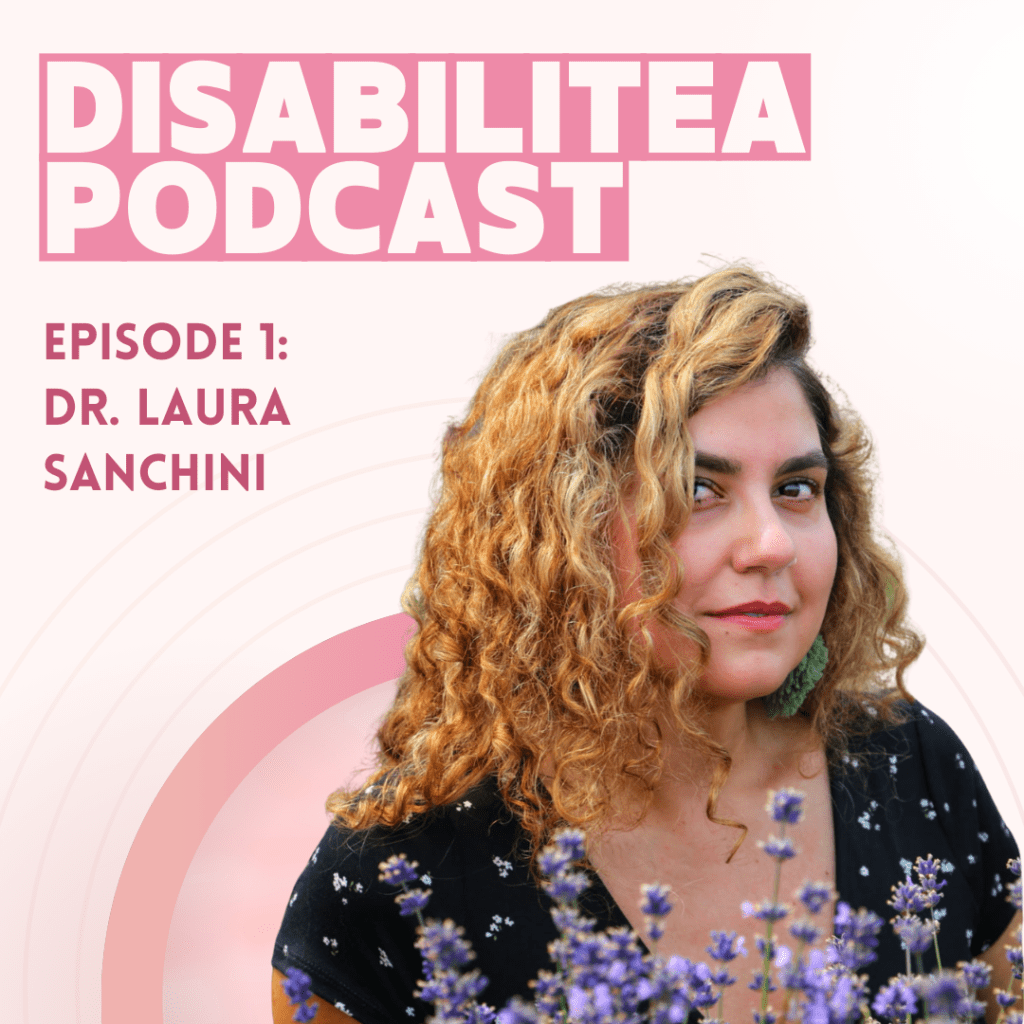
Welcome to DisabiliTEA: Conversations for Change. This is a special video edition of the Finding Avalon Podcast.
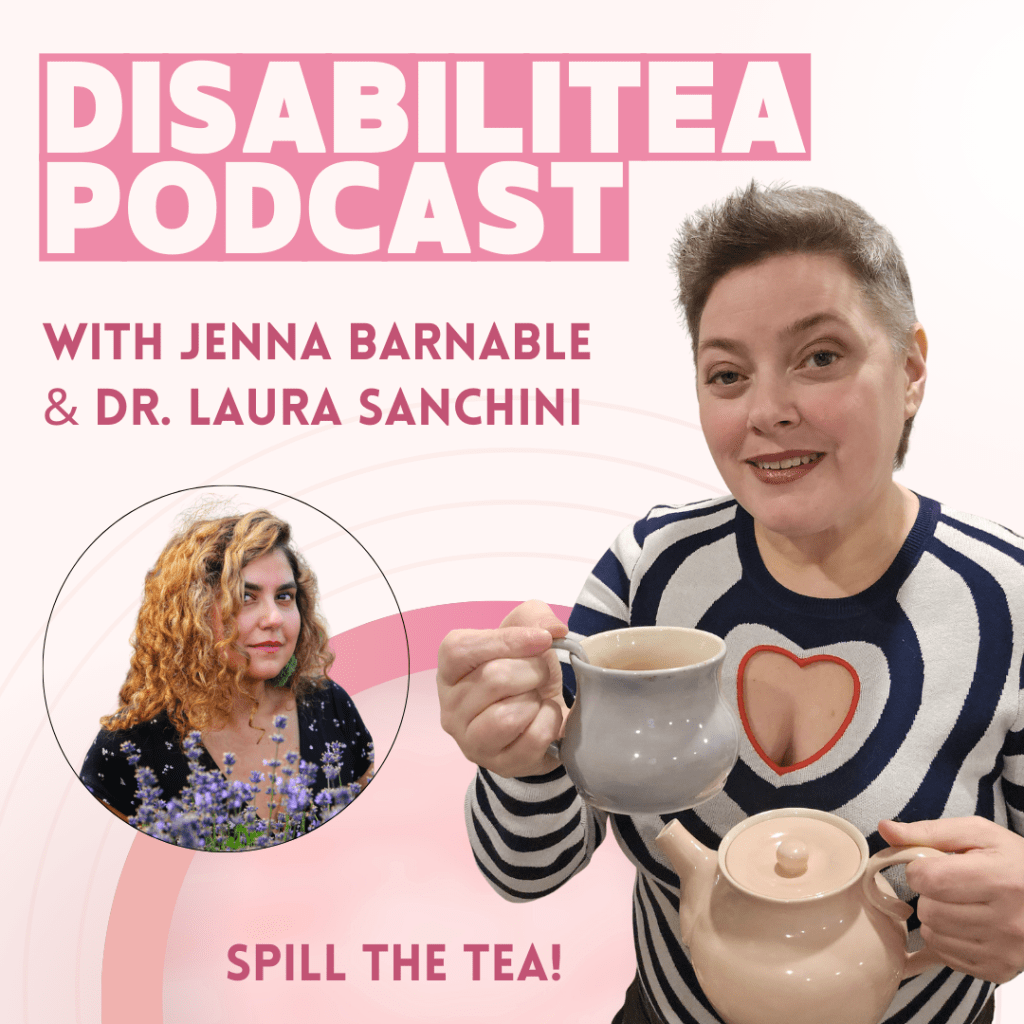
I’m Jenna Barnable, a disabled advocate, creator and changemaker from Atlantic Canada. On this show, I invite other disabled advocates and community allies to spill the tea with me on all things disability.
My very first guest is Ottawa-based Dr. Laura Sanchini.
“It’s a struggle every day. I feel like there’s parts of me that are always fighting my brain. My ADHD diagnosis affirmed what I had suspected for years. One of the things I found really helpful was it improving my relationships with people in my life – that they were able to understand me better. Support and understanding can transform neurodivergent lives.”
Dr. Laura Sanchini
About this Episode
DisabiliTEA: “Curating a Life as a Late-Diagnosed, High-Masking Neurodivergent Woman” (Season 1, Episode 1)
Jenna and Laura “spill the tea: and explore the lived experiences of a late-diagnosed neurodivergence, discussing how to curate a life that embraces and supports neurodiversity, with practical insights for neurodivergent folks and those who love them.
The conversation also touches on topics of neurodiverse communication differences, relationship building , community support and the importance of neurodivergent representation in arts and academia.
As a national museum curator, Laura shares how her career and special interests were intertwined along the way.
“I have lot of privilege to have been able to shape my life and my career in ways that support and accommodate my needs without even recognizing that that’s what I was doing. When you work as a curator in a national museum in a research department, my life was based around my special interests.
And in a lot of ways, it was sort of accidental that I was able to land in this career that suited that was adapted to my neurodivergence I get to spend all of my time focusing on the things that I’m really, really interested in and things that are adjacent to my special interest and that includes being a craft curator – as a craft scholar and working as an oral historian.
And now that I manage the research division, it’s even more I find even more adapted to my special neurodivergent needs…It plays to my strengths in a lot of ways, and I like to think of it as I’ve unconsciously created a life that accommodates my needs and that I’m very, very privileged to have been able to do that.”
Her neurodivergence also influenced her social life, Laura notes. “Neurodivergent people seem to find each other. And when I think of my life now, I have a friend group that’s made up of top notch weirdos…we’re all sort of vibing in our own neurodivergent ways. And it’s a beautiful thing to see. We communicate in the same but different ways that can be really complementary – and can be really challenging too, but I think we understand each other.”
Watch Episode 1 here
Learn more
- Dr. Laura Sanchini LinkedIn
- Laura Sanchini’s indie acoustic band Good Folk
- Subscribe to DisabiliTEA on YouTube
- Follow DisabiliTEA on Spotify
- DisabiliTEA Series Episode List
- Canadian artisans mentioned: The Teapothecary and Rayku Pottery
- Regions mentioned: Newfoundland and Cape Breton
Thank you for supporting DisabiliTEA – an award-winning, Disabled-led, Atlantic Canadian program! Here are ways to support me and my grassroots podcast so that I can continue this important work for inclusive change.

 Jennifer Barnable: Storyteller, Disability Advocate
Leave a comment